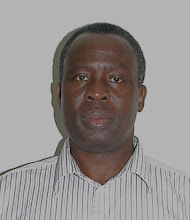
I have not followed the so called in-fighting in UPC. But from what I have heard recently, Akena is doing something very bad; that of confusing members of UPC. Even if you factor in pre-independence wars between Acholi and Lango, it is still wrong to combine these issues with UPC issues. Acholi and Langi are living with the pain that has been subjected to them by different regimes in Uganda as peacefully as possible. In fact it is politicians who cause the misunderstanding for their own selfish interests.
Akena lost the election for party president in an open competition. This is not a demotion or a crime of any kind. One period one leader. What more can he do in between such elections? Any sane person would understand that, as a party member, you have to behave in a way that promotes party interests. But if he is fighting the party president at every turn then he trying to destroy the party. And the reason cannot be because he has to be the party president.
Is it not questionable that a former party president contender would also act as an agitator and be the first to rise to question the party president?
Recently, Jimmy Akena jumped at the party president during a press conference organized for the members of the press. Why would you do something like this in the open forum of perhaps hostile people to the party? If Jimmy cannot help rebuild the party then maybe he should take a leave of absence to cool down. But he should not withhold his support for Mr Otunnu the current party president. People look to him as the son of first UPC president and the man who founded the party now fondly referred to as "the congress of the people." Even if he is not the party president, there is always a special place for him in the hearts of the members of the party. One day that feeling may be translated into some party actions.
A quote from the Common Man's Charter should enlighten him, "(vii) To ensure that no citizen of Uganda will enjoy any special privilege, status or title by virtue of birth, descent or heredity;"
The UPC has its rules and members should know that they are doing right or wrong by those same rules.
Tuesday, August 23, 2011


Thursday, February 10, 2011
TORRENT OF CHANGE SWEEPING AFRICA
The history of Africa has been one of wars of oppression of one kind or the other. After the attainment of independence, many African leaders adopted exactly the same attitude the colonialists used towards the people. Then came tribalism and other forms of ills that bedeviled the rule of law. The rulers bypassed elections and instituted tyranny instead of democracy. Many stayed in powers for very long time. Who ever thought Mobutu could lose power and even die in exile? That is precisely what happened.
People will not demonstrate against a government for no reason. They put up with a lot of hardship and corruption and when they cannot take it any longer, they take to the street in many forms. Sometimes the event can be a spontaneous release of anger and frustration. It happened in Tunisia, Yemen and many parts of the Arab world. Now it is happening in Egypt with such force and power that Mubarak has no alternative but to relinquish power. The number of people coming out has been increasing as Mubarak denies what he is witnessing.
The Egyptian Military has shown leadership and stayed away from the political issues of governing. The words that came from the highest command of the Egyptian army puts many other African dictators and their armies to great shame. The words that come out give more confidence to the people that the army is theirs.
They statement from the Christian Science monitor said,
So, the big question is, "Does the current Uganda army represent and protect freedom of the people of Uganda or is it an occupation army?"
People will not demonstrate against a government for no reason. They put up with a lot of hardship and corruption and when they cannot take it any longer, they take to the street in many forms. Sometimes the event can be a spontaneous release of anger and frustration. It happened in Tunisia, Yemen and many parts of the Arab world. Now it is happening in Egypt with such force and power that Mubarak has no alternative but to relinquish power. The number of people coming out has been increasing as Mubarak denies what he is witnessing.
The Egyptian Military has shown leadership and stayed away from the political issues of governing. The words that came from the highest command of the Egyptian army puts many other African dictators and their armies to great shame. The words that come out give more confidence to the people that the army is theirs.
They statement from the Christian Science monitor said,
The generals had a statement read on State TV. “Based on the responsibility of the armed forces and its commitment to protect the people... and in support of the legitimate demands of the people [the army] will continue meeting on a continuous basis to examine measures to be taken to protect the nation and its gains and the ambitions of the great Egyptian people."
Unfortunately, in Uganda the NRA/NRM always confront the people with "We fought..." whenever there is a prospect of electing one not aligned or part of the original people who went to the bush to fight the government in power then.So, the big question is, "Does the current Uganda army represent and protect freedom of the people of Uganda or is it an occupation army?"
Saturday, December 25, 2010
Leadership and Aspirations of Ugandans
In the year 2011 there will be a general election in Uganda to elect the president for the next five years. Museveni has been in power since January 26 1986. That gives him 25 years of continuous rule as president of the country. The twenty five years started with "fundamental change" philosophy. That fundamental change could not have been the sanctity of life because people were subjected to even worse inhuman and traumatic conditions like 'kandoya' and being labeled 'biological substances.' Killing became an administrative policy and continued to displace people in the northern part of the country, particularly the Acholis. This lead to an obvious offshoot of self defense that grew into a large group of fighters named Lord's Resistance Army. This resistance was quickly converted into a scapegoat of varying military expeditions into neighboring countries with the aim of entrenching the NRM into power. And this is what has continued for the last 25 years.
The NRM really wanted no structure for the democratic governance of the country. All they wanted, and still want up to now, is to stay in power perpetually. For first three years after they came to power in 1986, it was nothing but war in the north and when they reached the second year they started talking about first writing a new constitution. That took care of the first five years.
The second five years was now the official first term of five years that NRM was in power. At this time the country was effectively divided into two parts; the north comprising of areas of Teso northwards, and the southern parts in which there was peace. Sham elections were carried out in this northern region with the people on the run through war-mongering. Towards the end of the second term which was NRM's first official term, NRM was using a combination of threat of the return of the Banyanya to keep the southern folks in their support and the fact that this next election would be the last term for Museveni in power. So, after ten years in power, Museveni was now 'elected' to his last term in office. Early in the eleventh and twelfth years in power, it became clear that two terms was not really enough for the NRM even though it was their third term in office. They began agitating for change to the constitution so that Museveni could run for as long as he wanted. That constitution is due to be changed back to two five-year terms for a presidency once Museveni is no longer running for office.
The way the constitution was changed brought about great fear in many of NRM members as it put them in a bad light. Elections were held in such a way that the NRM always had a upper hand especially with the war in the north and displacement of the population. A new party was formed as opposition to NRM and it was called FDC, Front for Democratic Change lead by Dr. Kizza Besigye, a one time confidant and personal doctor of President Museveni.
Museveni has done a lot during his twenty five years in power. Some of the plans could really have brought about 'fundamental change' for the better to the people. But corruption ate away at every opportunity and impunity destroyed all chance of correcting mistakes being made by the military wings of the NRM. He also introduced many unworkable ideas that should have been left to the local leaders. Museveni wanted to develop a rich middle class but because the administration was top heavy, nothing trickled down to the ordinary person as corruption diverted all resources to his cronies. The irony is that these are the kind of things which Museveni would start a bush war for, but now he cannot do it since he is in state house.
So, what kind of votes will Museveni get and would it be enough to win the election? To answer this question one needs to look at the composition of the army and of the civil service personnel. Whenever there is a vibrant opposition, the army trembles and feel threatened. The same thing applies to the civil servants. The men carrying the ballot boxes and guarding it cannot be trusted to remain impartial. They easily get emotionally involved because they have vested interests in maintaining the status quo.
There are no policies the NRM have promulgated and carried out successfully to remind people that they deserve to remain in office. That is why UPC is doing great service to the country by empowering the people with knowledge and information to form the basis of the next development plan. People want freedom and security so they can develop themselves according to their abilities. The UPC detractors say that UPC will not win and should have stayed in the IPC but the party is better where it is. When the people know their rights and stand up for them, then there will be a fundamental change in the country. This land is ours.
The NRM really wanted no structure for the democratic governance of the country. All they wanted, and still want up to now, is to stay in power perpetually. For first three years after they came to power in 1986, it was nothing but war in the north and when they reached the second year they started talking about first writing a new constitution. That took care of the first five years.
The second five years was now the official first term of five years that NRM was in power. At this time the country was effectively divided into two parts; the north comprising of areas of Teso northwards, and the southern parts in which there was peace. Sham elections were carried out in this northern region with the people on the run through war-mongering. Towards the end of the second term which was NRM's first official term, NRM was using a combination of threat of the return of the Banyanya to keep the southern folks in their support and the fact that this next election would be the last term for Museveni in power. So, after ten years in power, Museveni was now 'elected' to his last term in office. Early in the eleventh and twelfth years in power, it became clear that two terms was not really enough for the NRM even though it was their third term in office. They began agitating for change to the constitution so that Museveni could run for as long as he wanted. That constitution is due to be changed back to two five-year terms for a presidency once Museveni is no longer running for office.
The way the constitution was changed brought about great fear in many of NRM members as it put them in a bad light. Elections were held in such a way that the NRM always had a upper hand especially with the war in the north and displacement of the population. A new party was formed as opposition to NRM and it was called FDC, Front for Democratic Change lead by Dr. Kizza Besigye, a one time confidant and personal doctor of President Museveni.
Museveni has done a lot during his twenty five years in power. Some of the plans could really have brought about 'fundamental change' for the better to the people. But corruption ate away at every opportunity and impunity destroyed all chance of correcting mistakes being made by the military wings of the NRM. He also introduced many unworkable ideas that should have been left to the local leaders. Museveni wanted to develop a rich middle class but because the administration was top heavy, nothing trickled down to the ordinary person as corruption diverted all resources to his cronies. The irony is that these are the kind of things which Museveni would start a bush war for, but now he cannot do it since he is in state house.
So, what kind of votes will Museveni get and would it be enough to win the election? To answer this question one needs to look at the composition of the army and of the civil service personnel. Whenever there is a vibrant opposition, the army trembles and feel threatened. The same thing applies to the civil servants. The men carrying the ballot boxes and guarding it cannot be trusted to remain impartial. They easily get emotionally involved because they have vested interests in maintaining the status quo.
There are no policies the NRM have promulgated and carried out successfully to remind people that they deserve to remain in office. That is why UPC is doing great service to the country by empowering the people with knowledge and information to form the basis of the next development plan. People want freedom and security so they can develop themselves according to their abilities. The UPC detractors say that UPC will not win and should have stayed in the IPC but the party is better where it is. When the people know their rights and stand up for them, then there will be a fundamental change in the country. This land is ours.
Tuesday, November 02, 2010
The Defector
The announcement that some UPC chief members have defected to NRM is sad news for the country as a whole and UPC in particular. No one likes to lose any of its members but it is inevitable that members are lost from time to time. Loss of a member can generate change in the organization concerned which may be good or bad.
At this juncture in UPC, the party needs very active people to campaign vigorously at the grassroots to put the party's manifesto into the minds of the people. Can Hajj Badru Wegulo do this at his age? Apparently, the answer is "No." So, this is not a big deal. UPC is a party of ideas, a party of the people. In that case, it is better for it to concentrate on creating a viable followings and active participants in promoting its message to the people.
The people who have defected have no fight left in them to bring about change. They are either afraid or unenthusiastic about change and therefore did the right thing to leave place for those more committed to bring change in Uganda. If Museveni has been in power for the last 24 years and brought about only misery to the people, how can he change today? He has never experienced the hardship people go through. If he believes that the people suffering is because they are in other parties other than NRM how can that affect a change in the whole country? Why did Museveni go to Nambole Stadium in full military garb after 24 years in power? Who is he fighting? With Museveni, the mentality of entitlement will not cease. Vote him out of office so somebody more progressive can bring development to the country. Get rid of the parasites from government.
At this juncture in UPC, the party needs very active people to campaign vigorously at the grassroots to put the party's manifesto into the minds of the people. Can Hajj Badru Wegulo do this at his age? Apparently, the answer is "No." So, this is not a big deal. UPC is a party of ideas, a party of the people. In that case, it is better for it to concentrate on creating a viable followings and active participants in promoting its message to the people.
The people who have defected have no fight left in them to bring about change. They are either afraid or unenthusiastic about change and therefore did the right thing to leave place for those more committed to bring change in Uganda. If Museveni has been in power for the last 24 years and brought about only misery to the people, how can he change today? He has never experienced the hardship people go through. If he believes that the people suffering is because they are in other parties other than NRM how can that affect a change in the whole country? Why did Museveni go to Nambole Stadium in full military garb after 24 years in power? Who is he fighting? With Museveni, the mentality of entitlement will not cease. Vote him out of office so somebody more progressive can bring development to the country. Get rid of the parasites from government.
Monday, April 26, 2010
Who Is State House
NRA did some of the most unspeakable things in northern Uganda. In their drive for complete domination, once and for all, over the people of northern Uganda, the NRA soldiers cordoned families and had their soldiers sodomize the men in front of their families, burnt their granaries and looted their cows in a show of power. These actions traumatized the people so much that Museveni is unaware of the pain people feel when they see him. Instead of him apologizing, he is asking the radio stations and people of northern Uganda to apologize. By threatening them with next step, "President Museveni’s Press Secretary Tamale Mirundi yesterday told journalists at the Uganda Media Centre that the radios have to apologise or face punitive action," he is reminding the people of northern Uganda that ' have you forgotten "agungung?"'
We the people of Uganda want to know today, is state house government of Uganda or is it NRA base? There is a problem with NRA/M operatives. Either they do not know what an elected government is supposed to be or they do not respect the people of Uganda. Even if the government has been popularly elected, it must rule according to the law. I know there is a strong temptation to think, we beat them at war, we beat them in election, therefore we are "it"mentality.
The day NRA/M understand the reasons why they 'went to the bush' and then realize that they are just ordinary Ugandans doing something for a specific good of the country, we shall have free and fair election.
Museveni should stop using his agents to disturb and destroy the peace that should prevail in northern Uganda. After seeing service under the British colonialists, many of the former KAR, UA, UNLA, NRA army personnel are tired of pseudo-military-politics that brings no development to the people or relief to the military people. Believe me , I know of no one who would join the army in order to go and fight a tribe or people in Uganda. When Gen. Tito agreed to sit down and talk, it was not because of NRA or Museveni, it was because the people of Uganda are so difficult to rule that he wanted to witness them coming together at one table as brothers and sisters and state their grievances. When the effort collapsed, did you see Gen. Tito attempt to go to the bush to take over the government? No. The Kony phenomena is an irrational reaction to NRA/M irrational 'agugung' tactics. No matter how much you claim the high ground you cannot bypass the peoples traumatic experience of NRA/M army. I see it fit for state house to apologize for these atrocities rather than asking ordinary radio stations in the north to apologize.
Eh!eh! pulekelu! State house is attacking radio stations in northern Uganda again with a different aim. You can take a man out of the bush but you can not take the bush out of the man. NRA/M people are very educated and intelligent, but they cannot function well out of the bush. And there is Uganda's problem.
We the people of Uganda want to know today, is state house government of Uganda or is it NRA base? There is a problem with NRA/M operatives. Either they do not know what an elected government is supposed to be or they do not respect the people of Uganda. Even if the government has been popularly elected, it must rule according to the law. I know there is a strong temptation to think, we beat them at war, we beat them in election, therefore we are "it"mentality.
The day NRA/M understand the reasons why they 'went to the bush' and then realize that they are just ordinary Ugandans doing something for a specific good of the country, we shall have free and fair election.
Museveni should stop using his agents to disturb and destroy the peace that should prevail in northern Uganda. After seeing service under the British colonialists, many of the former KAR, UA, UNLA, NRA army personnel are tired of pseudo-military-politics that brings no development to the people or relief to the military people. Believe me , I know of no one who would join the army in order to go and fight a tribe or people in Uganda. When Gen. Tito agreed to sit down and talk, it was not because of NRA or Museveni, it was because the people of Uganda are so difficult to rule that he wanted to witness them coming together at one table as brothers and sisters and state their grievances. When the effort collapsed, did you see Gen. Tito attempt to go to the bush to take over the government? No. The Kony phenomena is an irrational reaction to NRA/M irrational 'agugung' tactics. No matter how much you claim the high ground you cannot bypass the peoples traumatic experience of NRA/M army. I see it fit for state house to apologize for these atrocities rather than asking ordinary radio stations in the north to apologize.
Eh!eh! pulekelu! State house is attacking radio stations in northern Uganda again with a different aim. You can take a man out of the bush but you can not take the bush out of the man. NRA/M people are very educated and intelligent, but they cannot function well out of the bush. And there is Uganda's problem.
Wednesday, April 21, 2010
Sinister Police Actions
The police force is to protect and serve the citizens. So, why is Uganda Police acting differently in the case of the UPC president, Mr Otunnu? First, they asked Mr. Otunnu to report to CID headquarters to record a statement because they thought what he said at the radio station in Lira was criminal libel. Now they are asking him again to appear before the CID to be questioned because he is promoting sectarianism. This is a serious intimidation and it is the kind of activities which the US Secretary of State is supposed to monitor.
"The conference agreement provides $70,650,000 for assistance for Uganda. The conferees direct the Secretary of State to closely monitor preparations for the 2011 elections in Uganda, and to actively promote, in coordination with the European Union, Canada and other nations, the independence of the election commission; the need for an accurate .and verifiable voter registry; the announcement and posting of results at the polling stations; the freedom of movement and assembly and a process free of intimidation; freedom of the media; and the security and protection of candidates. The conferees direct the Secretary of State to submit a report to the Committees on Appropriations not later than 90 days after enactment of this Act and every 120 days thereafter until 30 days after the elections, detailing actions taken by the Government of Uganda to address these concerns."
First of all there is no reasons to attempt to charge Mr. Otunnu with any crimes due to the speech he made over the radio station. Secondly, fishing for different charges stemming out of the same radio station incidence and asking that Mr Otunnu go to the police station to record a statement becomes very suspicious. This incidence shall serve as a strong case of intimidation, lack of security and protection of the candidates and no freedom of the media during preparation for the 2011 elections in Uganda.
"The conference agreement provides $70,650,000 for assistance for Uganda. The conferees direct the Secretary of State to closely monitor preparations for the 2011 elections in Uganda, and to actively promote, in coordination with the European Union, Canada and other nations, the independence of the election commission; the need for an accurate .and verifiable voter registry; the announcement and posting of results at the polling stations; the freedom of movement and assembly and a process free of intimidation; freedom of the media; and the security and protection of candidates. The conferees direct the Secretary of State to submit a report to the Committees on Appropriations not later than 90 days after enactment of this Act and every 120 days thereafter until 30 days after the elections, detailing actions taken by the Government of Uganda to address these concerns."
First of all there is no reasons to attempt to charge Mr. Otunnu with any crimes due to the speech he made over the radio station. Secondly, fishing for different charges stemming out of the same radio station incidence and asking that Mr Otunnu go to the police station to record a statement becomes very suspicious. This incidence shall serve as a strong case of intimidation, lack of security and protection of the candidates and no freedom of the media during preparation for the 2011 elections in Uganda.
Monday, April 19, 2010
Why Is the Uganda Police Meddling in Political Activities?
The government should stop harassing presidential aspirants from communicating their message to the people. Campaign speeches and strategies requires that the incumbent account for his time in office and justify why the electorate should send him back to state house. From the tone of the police insisting that Mr Otunnu report to CID headquarters for interrogation about statement made during the campaign there is indication that the state is misusing its power to intimidate opponents of the sitting president.
Supposing Mr Otunnu were to report for interrogation, how would the police proceed? Are they going to ask him to give proof of what he said? What kind of proof would one need for recording an observation of actions of the principals in the LRA/NRA war that has destroyed northern Uganda for the last twenty three years? Who is the complainant and what is the complaint? If it is Museveni, the president of Uganda, then we would like to see the formal complaints filed either by him or on his behalf. The police should avoid taking actions that will cast the force in bad lights in the eyes of the public. Unless we find out what has been causing the continuous war and destruction of properties of the people of Uganda, we cannot expect to move forward in peace as one nation.
Not long ago Gen. David Tinyefuza threatened to "crush" Otunnu if he brings that sensitive issue of 'who killed who' in Luwero and northern Uganda; suggesting that Otunnu can only speak at the pleasure of the NRA. This is intimidation and contrary to the spirit of why they the NRA took to the bush. Whichever way you look at it, no crime has been committed and there is nothing that should have forced the CID to come scurrying for Mr Otunnu.
This period of campaign should mark the maturity reached by the police force since the NRM/A ascended to power to liberate the people of Uganda. Every candidate must be accorded the highest protection at this time. As a candidate, Museveni has made very serious allegation against other contestant but he has never been asked to report to CID headquarters for interrogation. Every contestant should be viewed as future head of state and hence future commander of all forces in Uganda. His experience during this campaign period could affect what he will do to the forces when elected by the people. We need to avoid leadership that behave as if they own the country because such leaders will not serve the people.
At the moment, we the people observing the actions of the Uganda police from all over the world, condemn the acts of intimidation being shown to the opposition presidential candidates as acts of lawlessness not befitting the national police.
Supposing Mr Otunnu were to report for interrogation, how would the police proceed? Are they going to ask him to give proof of what he said? What kind of proof would one need for recording an observation of actions of the principals in the LRA/NRA war that has destroyed northern Uganda for the last twenty three years? Who is the complainant and what is the complaint? If it is Museveni, the president of Uganda, then we would like to see the formal complaints filed either by him or on his behalf. The police should avoid taking actions that will cast the force in bad lights in the eyes of the public. Unless we find out what has been causing the continuous war and destruction of properties of the people of Uganda, we cannot expect to move forward in peace as one nation.
Not long ago Gen. David Tinyefuza threatened to "crush" Otunnu if he brings that sensitive issue of 'who killed who' in Luwero and northern Uganda; suggesting that Otunnu can only speak at the pleasure of the NRA. This is intimidation and contrary to the spirit of why they the NRA took to the bush. Whichever way you look at it, no crime has been committed and there is nothing that should have forced the CID to come scurrying for Mr Otunnu.
This period of campaign should mark the maturity reached by the police force since the NRM/A ascended to power to liberate the people of Uganda. Every candidate must be accorded the highest protection at this time. As a candidate, Museveni has made very serious allegation against other contestant but he has never been asked to report to CID headquarters for interrogation. Every contestant should be viewed as future head of state and hence future commander of all forces in Uganda. His experience during this campaign period could affect what he will do to the forces when elected by the people. We need to avoid leadership that behave as if they own the country because such leaders will not serve the people.
At the moment, we the people observing the actions of the Uganda police from all over the world, condemn the acts of intimidation being shown to the opposition presidential candidates as acts of lawlessness not befitting the national police.
Thursday, April 15, 2010
Militarism In Uganda Since 1980
The use of force goes hand in hand with telling lies by the force users. In the early days of the NRA/M their basic political tenets have always been rebels and more rebels. In order to forestall any political opposition, Museveni and his NRA have labeled those who oppose them as rebels of one kind or another. The rule of law means those laws promulgated by NRA for the benefit of the NRA. Specifically it means using force to get rid of political or any types of opponents to the NRA. It means staging state-managed accidents, false evidences and corruption of the system to achieve NRA's aims. There are so many players in the NRA games that you cannot predict what is going to happen. They are a law unto themselves.
When Museveni ordered the FM station in Lango District to apologize, he was not merely addressing the management of the the Station. He was specifically ordering the whole NRM/A system out to attack Otunnu and any other credible oppositions. The reasoning here is not different from Amin's when he attacked Archbishop Luwum praying, "Let there be no bloodshed in the country..." The Archbishop was arrested that since he is praying that let there be no bloodshed, it means he knows about a plot to overthrow the government. So, serving Otunnu with a summon as reported by Daily Monitor "The police are investigating Mr Otunnu over claims he allegedly made that President Museveni funded rebel leader Joseph Kony," falls into Amin's attack of the Archbishop. The Daily Monitor continued: "Mr Otunnu yesterday said his utterances were not criminal. “It’s not a crime to say that State House provided him (Joseph Kony) with satellite phones, airtime and sacks of money. I have lots and lots of evidence but let them dare.”"
Museveni is the greatest spreader of lies and fear in Uganda and he is above the law also. To say that all truth resides with him, Museveni, is a disservice to rule of law. Those statements made by the UPC president, sends the right message to all leaders that they are the servants of the people and will be held accountable.
Ugandan must watch very closely what is going on from the following directions: The police, the army, the presidential brigade, the intelligence services and NRA/M Youth. Watch their actions and you will see that there is no law but Museveni, in Uganda. The struggle for a sane Uganda leader is on. The people shall prevail!
When Museveni ordered the FM station in Lango District to apologize, he was not merely addressing the management of the the Station. He was specifically ordering the whole NRM/A system out to attack Otunnu and any other credible oppositions. The reasoning here is not different from Amin's when he attacked Archbishop Luwum praying, "Let there be no bloodshed in the country..." The Archbishop was arrested that since he is praying that let there be no bloodshed, it means he knows about a plot to overthrow the government. So, serving Otunnu with a summon as reported by Daily Monitor "The police are investigating Mr Otunnu over claims he allegedly made that President Museveni funded rebel leader Joseph Kony," falls into Amin's attack of the Archbishop. The Daily Monitor continued: "Mr Otunnu yesterday said his utterances were not criminal. “It’s not a crime to say that State House provided him (Joseph Kony) with satellite phones, airtime and sacks of money. I have lots and lots of evidence but let them dare.”"
Museveni is the greatest spreader of lies and fear in Uganda and he is above the law also. To say that all truth resides with him, Museveni, is a disservice to rule of law. Those statements made by the UPC president, sends the right message to all leaders that they are the servants of the people and will be held accountable.
Ugandan must watch very closely what is going on from the following directions: The police, the army, the presidential brigade, the intelligence services and NRA/M Youth. Watch their actions and you will see that there is no law but Museveni, in Uganda. The struggle for a sane Uganda leader is on. The people shall prevail!
Sunday, January 25, 2009
Museveni's Illusions
The war in the north has been going on for close to twenty years. People have been displaced in a maneuver code-named ‘Operation Scorched Earth’ implying that the government wanted nothing alive in the Acholiland. There should be no living things except government soldiers. At that time, Museveni would now accept that there were no more rebels. In this way the Acholi have been regarded as the Rebels: not the LRA. As soon as the people were forced out of their homes, they were herded into concentration camps where there was no housing or sanitation. People had to begin building from scratch living in the open fields without any protection. This situation can drive you to commit all sorts of inhuman acts. And this was instituted under the watchful eyes of Museveni and his commanders from western Uganda, who constituted 99.9 percent of the army. It was through indiscriminate bombings of the land that people were forced to move because if you did not move you would be considered a rebel and treated accordingly. At this point it would be instructive to ask the Museveni government how many Rebels were there? Why did they have to bombard the whole land in order to move the people out of their villages? Where else in the world or in their campaign, have they used a similar tactic? And what were the results?
These questions are still relevant today and we want to get answers to them. Uganda government is being operated in several tiers: the private wing consisting of Museveni and his original groups from the bush war period, and the parliamentary groups. What took Museveni to the bush was not loss of election through rigging, but disdain for the rule of law. This attitude has never left Museveni. In Museveni world, he is the ‘law’. So, whenever you are dealing with Museveni, you must bear this in mind that Museveni is the law. In order to gain support from the southern tribes in Uganda, Museveni had to turn them against the tribes from the north. As his troops approached Kampala, he said, “We are tired of these northerners, the Okellos...” That was early in 1986 just before the capture of Kampala. The actions of bombarding villages, inciting people to commit murders in the name of tribes, targeting a tribe for liquidations are crimes and are prosecutable by the ICC.
For more than twenty years under Museveni, Uganda has been in war every single day of that period. No mention have been made of indicting Museveni at the Hague. On the other hand, President Bashir of Sudan has been indicted by the same body, the ICC.
The case of Joseph Kony or LRA (Lord's Resistance Army) is very much the case of man versus computer in a game of chess. All the people who joined Museveni thinking his war was a revolution to change Uganda for the better, have been liquidated. The only people who have survived in the NRM (National Resistance Movement) or alive outside the organization are the people who come from Museveni’s tribe or inner circle.
Prior to going into the bush, Museveni had already perfected a method of causing dislike or hatred of the government by attacking people at night and blaming it on government soldiers which he was part of. Attacks in Luwero were stage-managed to implicate government soldiers. Whether people believed it or not, did not matter. But it provided Museveni with a way to ‘purge’ himself of his conscience to do despicable things; and he did many. The story in Acholi follow the same pattern. And Museveni has been forced to negotiate against his will. He has done everything to wreck the peace process to no avail for almost two years. But Recently he decided to go back to what he knows best, which is fighting wars. That is why he hurriedly attacked the LRA camps on flimsy charge of failing to sign the peace agreement. He himself had not sign it. So, one wonders why did he attack the LRA in Congo? Wherever Museveni sends soldiers, there will always be disproportionate civilian death. Suddenly, it is the LRA massacring civilians and Museveni knows all about it in details. No independent journalists are allowed in the area. And the news out of Uganda is nothing but opinion of the writers!
These questions are still relevant today and we want to get answers to them. Uganda government is being operated in several tiers: the private wing consisting of Museveni and his original groups from the bush war period, and the parliamentary groups. What took Museveni to the bush was not loss of election through rigging, but disdain for the rule of law. This attitude has never left Museveni. In Museveni world, he is the ‘law’. So, whenever you are dealing with Museveni, you must bear this in mind that Museveni is the law. In order to gain support from the southern tribes in Uganda, Museveni had to turn them against the tribes from the north. As his troops approached Kampala, he said, “We are tired of these northerners, the Okellos...” That was early in 1986 just before the capture of Kampala. The actions of bombarding villages, inciting people to commit murders in the name of tribes, targeting a tribe for liquidations are crimes and are prosecutable by the ICC.
For more than twenty years under Museveni, Uganda has been in war every single day of that period. No mention have been made of indicting Museveni at the Hague. On the other hand, President Bashir of Sudan has been indicted by the same body, the ICC.
The case of Joseph Kony or LRA (Lord's Resistance Army) is very much the case of man versus computer in a game of chess. All the people who joined Museveni thinking his war was a revolution to change Uganda for the better, have been liquidated. The only people who have survived in the NRM (National Resistance Movement) or alive outside the organization are the people who come from Museveni’s tribe or inner circle.
Prior to going into the bush, Museveni had already perfected a method of causing dislike or hatred of the government by attacking people at night and blaming it on government soldiers which he was part of. Attacks in Luwero were stage-managed to implicate government soldiers. Whether people believed it or not, did not matter. But it provided Museveni with a way to ‘purge’ himself of his conscience to do despicable things; and he did many. The story in Acholi follow the same pattern. And Museveni has been forced to negotiate against his will. He has done everything to wreck the peace process to no avail for almost two years. But Recently he decided to go back to what he knows best, which is fighting wars. That is why he hurriedly attacked the LRA camps on flimsy charge of failing to sign the peace agreement. He himself had not sign it. So, one wonders why did he attack the LRA in Congo? Wherever Museveni sends soldiers, there will always be disproportionate civilian death. Suddenly, it is the LRA massacring civilians and Museveni knows all about it in details. No independent journalists are allowed in the area. And the news out of Uganda is nothing but opinion of the writers!
Saturday, December 20, 2008
Dangerous Sycophant in Uganda
The article written by John Nagenda in the New Vision of Friday, December 19, 2008 shows how bias and sycophantic he is. There are ample information about Museveni and his behavior in peace negotiations which really point to the fact that he is not interested in peace in the country (Uganda). It has been Museveni who would introduce new issues as he did in the Nairobi peace talks until the talks collapsed. The resumption of war or fighting has always been from his side as he again did with the Kony attack in Garamba.
If John Nagenda had cared to research Museveni’s method, he would have found out easily why we have war in Uganda for the last 27 years. If anyone is interested in non biased analysis of Museveni’s modus operandi, check out this site http://www.c-r.org/our-work/accord/northern-uganda/reaching-nairobi-agreement.php.
A little snippet is included here.
About Bethuel Kiplagat:
Ambassador Kiplagat is presently the Director of the Africa Peace Forum, Kenya. At the time of the 1985 Nairobi agreement he was Permanent Secretary in the Kenyan Ministry of Foreign Affairs and played a key role in facilitating the negotiations. He has extensive peacemaking experience in Africa, including a prominent role in the Mozambican peace process.
Bethuel wrote:
They began the talks by hurling insults at each other and continued to do so throughout the proceedings. Museveni denounced previous regimes in Uganda as ‘primitives’ and ‘backward’. He initially refused to negotiate with the Military Council delegation, dismissing them as ‘criminals’. He in turn was accused by the Military Council of delaying the negotiation process unnecessarily. He then failed to show up for three consecutive days, having left for Europe through Dar es Salaam. On his return, Museveni and the NRM/A raised new demands for the agenda. Once agreement was reached on an agenda item, Museveni would change his position the following day, or put forward new demands on the same matter. For instance, at one point he insisted that, as he was the head of the NRM/A, Tito Okello was merely the commander of another factional army, not a head of state, although Okello’s status had been agreed earlier as a basis for the negotiations moving forward. President Moi considered this demand ‘disrespectful’ and overruled it. But Museveni’s repeated reintroduction of supposedly resolved issues prolonged discussions considerably.
To recapitulate, the war in Uganda is a result of Museveni’s intense desire to be an absolute ruler in Uganda because he considers the people of Uganda to be fools and in particular to eliminate all the people of Acholi because they pose the gravest threat to his continued rule. They are the people who have the reasons to remember every dirty tricks like the mass murder committed by Museveni’s forces at Corner Kilak where people were asked to assemble to be addressed by Fred Rwigyema, the then overall commander of NRA in Northern Uganda. Many such information are available about how Museveni operated with child soldiers, bank robbery and many dubious and unlawful methods, to achieve power. Now that he is in power all those methods become acceptable to him and his supporters! Uganda has a long way to go to achieve a national character.
Museveni achieves his aims through wars and other people’s abhorrence of wars.
If John Nagenda had cared to research Museveni’s method, he would have found out easily why we have war in Uganda for the last 27 years. If anyone is interested in non biased analysis of Museveni’s modus operandi, check out this site http://www.c-r.org/our-work/accord/northern-uganda/reaching-nairobi-agreement.php.
A little snippet is included here.
About Bethuel Kiplagat:
Ambassador Kiplagat is presently the Director of the Africa Peace Forum, Kenya. At the time of the 1985 Nairobi agreement he was Permanent Secretary in the Kenyan Ministry of Foreign Affairs and played a key role in facilitating the negotiations. He has extensive peacemaking experience in Africa, including a prominent role in the Mozambican peace process.
Bethuel wrote:
They began the talks by hurling insults at each other and continued to do so throughout the proceedings. Museveni denounced previous regimes in Uganda as ‘primitives’ and ‘backward’. He initially refused to negotiate with the Military Council delegation, dismissing them as ‘criminals’. He in turn was accused by the Military Council of delaying the negotiation process unnecessarily. He then failed to show up for three consecutive days, having left for Europe through Dar es Salaam. On his return, Museveni and the NRM/A raised new demands for the agenda. Once agreement was reached on an agenda item, Museveni would change his position the following day, or put forward new demands on the same matter. For instance, at one point he insisted that, as he was the head of the NRM/A, Tito Okello was merely the commander of another factional army, not a head of state, although Okello’s status had been agreed earlier as a basis for the negotiations moving forward. President Moi considered this demand ‘disrespectful’ and overruled it. But Museveni’s repeated reintroduction of supposedly resolved issues prolonged discussions considerably.
To recapitulate, the war in Uganda is a result of Museveni’s intense desire to be an absolute ruler in Uganda because he considers the people of Uganda to be fools and in particular to eliminate all the people of Acholi because they pose the gravest threat to his continued rule. They are the people who have the reasons to remember every dirty tricks like the mass murder committed by Museveni’s forces at Corner Kilak where people were asked to assemble to be addressed by Fred Rwigyema, the then overall commander of NRA in Northern Uganda. Many such information are available about how Museveni operated with child soldiers, bank robbery and many dubious and unlawful methods, to achieve power. Now that he is in power all those methods become acceptable to him and his supporters! Uganda has a long way to go to achieve a national character.
Museveni achieves his aims through wars and other people’s abhorrence of wars.
Wednesday, January 30, 2008
Kenya Electoral Commission Spoke the Truth
When the Chairman of the ECK said he was pressured by the PNU and ODM-K to announce the result of the election, many people did not believe him. Kibaki as the leader of PNU became the president while Kalonzo Musyoka, the leader of ODM-K became the vice president. This has removed all doubts that that election was rigged. Mr Kivuitu also stated that he saw return from one polling station having a different figure than the one signed at the polling station.
The people of Kenya have been living under various oppressive regimes. This began to change when a coming together of several parties under the rainbow coalition was able to wrest power from Daniel Arap Moi. The first try was defeated because the opposition was so much splintered that they could not obtain a majority against Moi's political machinery. The second time they succeeded when Raila Odinga crafted a cryptic message , "Kibaki Tosha," to unify the opposition.
The NARC coalition broke down when Kibaki did not honor the memorandum of understanding that brought the different parties together. The biggest complaint was that Kibaki had surrounded himself with corrupt people who prevented any meaningful change from occurring. Kenya never got the new constitution as promised. So, when Kibaki announced that election was to take place at the end of 2007, the old coalition, NARC disintegrated and Kibaki was left basically without a party. This is when the opportunists surrounding him seized the time to craft a new political party to enable Kibaki stay in power. They came up with PNU (Party of National Unity). By then the damage was already done. Almost every major party had joined the ODM thereby giving it a national character. Also, there was so much wrangle in the creation and running of the PNU that the only thing that kept it together was not a political idea but protection of vested interest that was being threatened by ascent of ODM to power. It was at this time that Uhuru Kenyatta was frightened out of ODM giving PNU a Gatundu stripe.
The majority of Kenyans are yearning for a change and an improvement in their lives. They pinned their hope on voting out the Kibaki government as was witnessed by the number of minister losing their seats in parliament. During the tallying of the ballots, Raila Odinga was way ahead of Kibaki when things suddenly changed! Results coming into the KICC indicated a higher figures favoring Kibaki on arrival at the center and signatures of party representatives from the polling stations were also missing. Then late on Sunday December 30, 2007 around 5 p.m., the chairman of the ECK went to the state house and announced the result giving victory to Kibaki. Hastily, within one hour and without any member of the diplomatic corps present, Kibaki was sworn in as the president for the second time.
So, when riots broke out, it was because people had lost all hope of a peaceful change and felt betrayed and cheated openly by the people now in government.
To say that the opposition or anybody for that matter, planned the violence is tantamount to ignoring the history of Kenya since independence. Claims of ethnic cleansing or tribal wars are statement from correspondents and people who don't care about the dynamics of the Kenya society. They are too lazy to research the cause of this great misery in a once peaceful nation where every neighboring country sought refuge. In the given situation, if the violence had preceded election it would have been appropriate to call it ethnic or tribal war. But in this case many areas of the country has not received proportional development fund. Corruption is eating up the highest echelon of power and change through the ballot box has been rigged out. Can you also call this ethnic cleansing?
Given that there is a direct correlation between speeches endorsing the election result and violence, would it be better to recruit 30,000 new police or desist from making provocative statements endorsing injustice and unfairness? If one cannot be fare and just in this instance where he is caught red-handed, how can one expect him to be when he can perform his activities out of the public eyes?
The people of Kenya have been living under various oppressive regimes. This began to change when a coming together of several parties under the rainbow coalition was able to wrest power from Daniel Arap Moi. The first try was defeated because the opposition was so much splintered that they could not obtain a majority against Moi's political machinery. The second time they succeeded when Raila Odinga crafted a cryptic message , "Kibaki Tosha," to unify the opposition.
The NARC coalition broke down when Kibaki did not honor the memorandum of understanding that brought the different parties together. The biggest complaint was that Kibaki had surrounded himself with corrupt people who prevented any meaningful change from occurring. Kenya never got the new constitution as promised. So, when Kibaki announced that election was to take place at the end of 2007, the old coalition, NARC disintegrated and Kibaki was left basically without a party. This is when the opportunists surrounding him seized the time to craft a new political party to enable Kibaki stay in power. They came up with PNU (Party of National Unity). By then the damage was already done. Almost every major party had joined the ODM thereby giving it a national character. Also, there was so much wrangle in the creation and running of the PNU that the only thing that kept it together was not a political idea but protection of vested interest that was being threatened by ascent of ODM to power. It was at this time that Uhuru Kenyatta was frightened out of ODM giving PNU a Gatundu stripe.
The majority of Kenyans are yearning for a change and an improvement in their lives. They pinned their hope on voting out the Kibaki government as was witnessed by the number of minister losing their seats in parliament. During the tallying of the ballots, Raila Odinga was way ahead of Kibaki when things suddenly changed! Results coming into the KICC indicated a higher figures favoring Kibaki on arrival at the center and signatures of party representatives from the polling stations were also missing. Then late on Sunday December 30, 2007 around 5 p.m., the chairman of the ECK went to the state house and announced the result giving victory to Kibaki. Hastily, within one hour and without any member of the diplomatic corps present, Kibaki was sworn in as the president for the second time.
So, when riots broke out, it was because people had lost all hope of a peaceful change and felt betrayed and cheated openly by the people now in government.
To say that the opposition or anybody for that matter, planned the violence is tantamount to ignoring the history of Kenya since independence. Claims of ethnic cleansing or tribal wars are statement from correspondents and people who don't care about the dynamics of the Kenya society. They are too lazy to research the cause of this great misery in a once peaceful nation where every neighboring country sought refuge. In the given situation, if the violence had preceded election it would have been appropriate to call it ethnic or tribal war. But in this case many areas of the country has not received proportional development fund. Corruption is eating up the highest echelon of power and change through the ballot box has been rigged out. Can you also call this ethnic cleansing?
Given that there is a direct correlation between speeches endorsing the election result and violence, would it be better to recruit 30,000 new police or desist from making provocative statements endorsing injustice and unfairness? If one cannot be fare and just in this instance where he is caught red-handed, how can one expect him to be when he can perform his activities out of the public eyes?
Monday, January 28, 2008
Another Deadline for LRA - Military Option Once Again
Museveni has been forced to accept a negotiated settlement to northern Uganda war because the cost has become very high to the people who finance his expedition in the north. He has been working tirelessly to make sure that a meaningful settlement is not reached. But the real reason is very difficult to see unless one looks more closely at the interest and actions of his lieutenants in the north.
Salim Saleh, Museveni half brother attempted to buy land in Acholi but was repulsed and has not been able to find a better way to acquire that land. Next Museveni has tried to come in through Madhvani sugar works but he is facing stiff opposition. He is attempting to go through the paramount chief of Acholi but the members of parliament are in the way.
Above all, Museven's land grabbing plans has included Baganda land where he is meeting stiff resistance and now the Baganda are in similar danger as the Acholi's and therefore are bound to come together threatening Museveni's reign.
So, what can Museveni do? He can use the army and acquire the land by force. There is only one obstacle - Kony and his LRA. So, before he puts any of his plans into action, Kony and the LRA must first be liquidated. That is why he is trying to convince Congo, Rwanda, Burundi and MONUC to help him fight Kony. Once he torpedoes the Juba peace talks, he can then do as he pleases with the few seasoned military men under LRA. Once the people have no land, then they will become beggars whom Museveni can use to perpetrate his reign far into the future.
Museveni is seeking to control all the arable lands in Uganda and give it to his cronies thereby impoverishing the people. This will pave the way for his dynasty in Uganda. To Museveni, the problem and death in Kenya could not have come at a better time! We the people have accepted Museveni's rule til death do us part.
Salim Saleh, Museveni half brother attempted to buy land in Acholi but was repulsed and has not been able to find a better way to acquire that land. Next Museveni has tried to come in through Madhvani sugar works but he is facing stiff opposition. He is attempting to go through the paramount chief of Acholi but the members of parliament are in the way.
Above all, Museven's land grabbing plans has included Baganda land where he is meeting stiff resistance and now the Baganda are in similar danger as the Acholi's and therefore are bound to come together threatening Museveni's reign.
So, what can Museveni do? He can use the army and acquire the land by force. There is only one obstacle - Kony and his LRA. So, before he puts any of his plans into action, Kony and the LRA must first be liquidated. That is why he is trying to convince Congo, Rwanda, Burundi and MONUC to help him fight Kony. Once he torpedoes the Juba peace talks, he can then do as he pleases with the few seasoned military men under LRA. Once the people have no land, then they will become beggars whom Museveni can use to perpetrate his reign far into the future.
Museveni is seeking to control all the arable lands in Uganda and give it to his cronies thereby impoverishing the people. This will pave the way for his dynasty in Uganda. To Museveni, the problem and death in Kenya could not have come at a better time! We the people have accepted Museveni's rule til death do us part.
Friday, January 25, 2008
Remember Museveni in Congo?
Kibaki was never prepared for a second tern in office. He said that he was only going to run one time. Whether this was a bait so that he could be accepted by NARC group or a genuine interest in only serving one term, we can never know. The PNU (Party of National Unity) is certainly a contraption of an active mind bent on staying in the power house, hurriedly put together to enable Kibaki compete a second time. The most interesting show was that of Uhuru Kenyatta abandoning the opposition in order to join the government side. One can only wonder the appeal! Whenever you make this kind of connection, there is danger that one may not honor the agreement. The national character that was embodied by ODM became so troubling that Uhuru Kenyatta was unceremoniously pulled out of the group by clique close to Kibaki. What better message could it be than party of national unity?
Then there was the slogan that a "Luo could not rule" being floated around. There was no politics to go with it. Instead of explaining what they want to accomplice so that the electorate can give them their votes, they (PNU)squandered their chance. Meanwhile ODM was taking it message to all corners of the country. When Raila reached Kibaki's stronghold he was unceremoniously ejected from a hotel belonging to a Kibaki supporter. This was the first glimpse of what could happen in the election. Nowhere else in Kenya did a thing of such magnitude occur, but there were several instances of intolerance. Generally, Kenyans have been patient and watching the going ons but they committed to change through the ballot box. If Kibaki had won "fair and square" without people actually witnessing an open 'rigging,' no one would have resorted to violence. There are reasons why people resort to violence and this election qualified as one. You can put any label on it but it will not change its intensity. It is generally perceived that Kibaki surrounded himself with hardliners and rich people who were able to isolate him from ordinary Kenyans. Other disputes like the memorandum of understanding before beating the Moi government, also have been simmering but the election provided hope that a new administration would usher in better and fair treatment for all. If it was a purely tribal animosity there would be no need to stop momentarily when fairness and wisdom indicate a change in direction. The arrival of the former secretary general of UN, Mr Kofi Anan gave people hope of a resolution of the problem. But as soon as Kibaki again made provocative statement that he was duly elected, violence flared up again and this time it is getting worse because they see that the government of Kibaki is determined to oppress them again for another five years. Evidently preaching politics in the name of tribes alone does nothing but bring in suffering for any group perceived to be allied to the oppressor. Our actions as leaders have far and profound effect on those we lead. There can never be violence where the people feel that they have been treated fairly. Tanzania is a case in point. but even in Tanzania there is a simmering problem between mainland and Zanzibaris.
The history of Kenya is replete with government sponsored killings of opponents. Tom Mboya, Robert Ouko, and J.M. Kariuki were all murdered in the same way by the same group of people in the government. These happened under Kenyatta and also under Moi. Their tribe really did not matter but the fact that they were a threat to the establishment made them all meet the same fate. Tom Mboya was not killed because he was a Luo but because he made a statement in parliament that a clique around Kenyatta was enriching themselves at the expense of ordinary Kenyans. Ouko had easier access to US president than Moi and JM was giving more money at harambee than Kenyatta was doing. People see these actions but have no immediate answer. They absorb it for a long time but never forget it. It gives them clue of the people in power what they can do and how they can be rid off them. That people can so easily label actions in terms of tribes is indicative of a weak system of government prone to corruption.
Now Museveni is angling for a piece of the action in Kenya politic. What better method to assure Kibaki that he would defend him at all cost and that he should not negotiate with 'those killers'? Museveni is also fighting to have Kibaki keep him company of 'democratic dictators.' Museveni also knows that if the people in Kenya succeed in pushing Kibaki out of power, then a similar thing can easily happen in Uganda. That is why he is so far the only leader to congratulate Kibaki on winning the reelection. Then just like in Congo and Sudan, Museveni will send in Uganda troops to 'secure the railway lines.' Just watch and see if Kenya does not resolve the problem through dialogue!
Then there was the slogan that a "Luo could not rule" being floated around. There was no politics to go with it. Instead of explaining what they want to accomplice so that the electorate can give them their votes, they (PNU)squandered their chance. Meanwhile ODM was taking it message to all corners of the country. When Raila reached Kibaki's stronghold he was unceremoniously ejected from a hotel belonging to a Kibaki supporter. This was the first glimpse of what could happen in the election. Nowhere else in Kenya did a thing of such magnitude occur, but there were several instances of intolerance. Generally, Kenyans have been patient and watching the going ons but they committed to change through the ballot box. If Kibaki had won "fair and square" without people actually witnessing an open 'rigging,' no one would have resorted to violence. There are reasons why people resort to violence and this election qualified as one. You can put any label on it but it will not change its intensity. It is generally perceived that Kibaki surrounded himself with hardliners and rich people who were able to isolate him from ordinary Kenyans. Other disputes like the memorandum of understanding before beating the Moi government, also have been simmering but the election provided hope that a new administration would usher in better and fair treatment for all. If it was a purely tribal animosity there would be no need to stop momentarily when fairness and wisdom indicate a change in direction. The arrival of the former secretary general of UN, Mr Kofi Anan gave people hope of a resolution of the problem. But as soon as Kibaki again made provocative statement that he was duly elected, violence flared up again and this time it is getting worse because they see that the government of Kibaki is determined to oppress them again for another five years. Evidently preaching politics in the name of tribes alone does nothing but bring in suffering for any group perceived to be allied to the oppressor. Our actions as leaders have far and profound effect on those we lead. There can never be violence where the people feel that they have been treated fairly. Tanzania is a case in point. but even in Tanzania there is a simmering problem between mainland and Zanzibaris.
The history of Kenya is replete with government sponsored killings of opponents. Tom Mboya, Robert Ouko, and J.M. Kariuki were all murdered in the same way by the same group of people in the government. These happened under Kenyatta and also under Moi. Their tribe really did not matter but the fact that they were a threat to the establishment made them all meet the same fate. Tom Mboya was not killed because he was a Luo but because he made a statement in parliament that a clique around Kenyatta was enriching themselves at the expense of ordinary Kenyans. Ouko had easier access to US president than Moi and JM was giving more money at harambee than Kenyatta was doing. People see these actions but have no immediate answer. They absorb it for a long time but never forget it. It gives them clue of the people in power what they can do and how they can be rid off them. That people can so easily label actions in terms of tribes is indicative of a weak system of government prone to corruption.
Now Museveni is angling for a piece of the action in Kenya politic. What better method to assure Kibaki that he would defend him at all cost and that he should not negotiate with 'those killers'? Museveni is also fighting to have Kibaki keep him company of 'democratic dictators.' Museveni also knows that if the people in Kenya succeed in pushing Kibaki out of power, then a similar thing can easily happen in Uganda. That is why he is so far the only leader to congratulate Kibaki on winning the reelection. Then just like in Congo and Sudan, Museveni will send in Uganda troops to 'secure the railway lines.' Just watch and see if Kenya does not resolve the problem through dialogue!
Monday, March 05, 2007
The Juba Peace Talks
The Juba Peace Talks
The Juba peace talks have been interrupted because the LRA felt that there were grounds to be considered in order to make it a fair exercise. Their contentions were that:
1. Uganda army was attempting to surround LRA in the two designated assembly points,
2. The mediator, Dr. Riek Machar was not neutral.
As a result, they demanded that the mediator be changed and a new venue outside Sudan be found. These followed clearly documented evidences of Uganda government troops being closer to the assembly point than was comfortable(intent to capture LRA and end peace talks) and Dr. Riek Machar making demands that were tantamount to supporting the position of Uganda government.
The aim of negotiation is to find ‘middle ground.’ Dr. Riek Machar has been calling for the top leaders of LRA to attend the peace talks because the next stage required the signing of documents. Yet, at the same time, contentious issues raised by the LRA delegations are brushed aside. So, what documents were Kony and Otti necessary to sign? It is true that the presence of Kony in Juba would indicate how close peace was to northern Uganda. But there is also a chance that the situation could degenerate into far worse scenarios than is currently obtaining.
Given Museveni’s propensities for violating peace treaties and the constant shuttling of GOSS Vice President and mediator between Juba and Kampala, would this not give anyone ground for rejecting Machar as mediator?
Acholi delegation to Juba attempting to rejuvenate the peace talks recommends that Juba be the venue. Sudanese governors meeting recommends that LRA be forcibly evicted from Southern Sudan and that the peace talks are carried out elsewhere keeping GOSS as mediator. Both these groups are not really part of the peace talks but they directly benefit greatly from the cessation of war in their areas.
No other party, so far, has even acknowledged the position taken by the LRA as genuine and deserving of immediate attention. At the same time they demand that Kony himself come to Juba to sign some important document that are coming up shortly!! The mediator has threatened the LRA to do what he wants, like Kony coming to Juba to sign documents and that failure on the part of Kony is indicative of his lack of interest in peace in northern Uganda. On the other hand, refusing to accommodate the demands put forth by the LRA on the grounds that ‘it is frivilous’ is really delaying the conclusion of the talks.
There are sentimental reasons for Acholi groups insisting that Juba continue to be the venue of the peace talks and that Dr. Riek Machar continue being the moderator. Museveni, however, has purged himself of all such feelings and therefore ready to subjugate our Acholi people.
Briefly, I find that the LRA delegation is genuine in their demand for change of venue and mediator. It is up to us to clearly state our demands and indicate how far we can go without seeing concrete results before purging our people of those same sentiments that is making us subservient to Museveni who cares nothing about us.
The Juba peace talks have been interrupted because the LRA felt that there were grounds to be considered in order to make it a fair exercise. Their contentions were that:
1. Uganda army was attempting to surround LRA in the two designated assembly points,
2. The mediator, Dr. Riek Machar was not neutral.
As a result, they demanded that the mediator be changed and a new venue outside Sudan be found. These followed clearly documented evidences of Uganda government troops being closer to the assembly point than was comfortable(intent to capture LRA and end peace talks) and Dr. Riek Machar making demands that were tantamount to supporting the position of Uganda government.
The aim of negotiation is to find ‘middle ground.’ Dr. Riek Machar has been calling for the top leaders of LRA to attend the peace talks because the next stage required the signing of documents. Yet, at the same time, contentious issues raised by the LRA delegations are brushed aside. So, what documents were Kony and Otti necessary to sign? It is true that the presence of Kony in Juba would indicate how close peace was to northern Uganda. But there is also a chance that the situation could degenerate into far worse scenarios than is currently obtaining.
Given Museveni’s propensities for violating peace treaties and the constant shuttling of GOSS Vice President and mediator between Juba and Kampala, would this not give anyone ground for rejecting Machar as mediator?
Acholi delegation to Juba attempting to rejuvenate the peace talks recommends that Juba be the venue. Sudanese governors meeting recommends that LRA be forcibly evicted from Southern Sudan and that the peace talks are carried out elsewhere keeping GOSS as mediator. Both these groups are not really part of the peace talks but they directly benefit greatly from the cessation of war in their areas.
No other party, so far, has even acknowledged the position taken by the LRA as genuine and deserving of immediate attention. At the same time they demand that Kony himself come to Juba to sign some important document that are coming up shortly!! The mediator has threatened the LRA to do what he wants, like Kony coming to Juba to sign documents and that failure on the part of Kony is indicative of his lack of interest in peace in northern Uganda. On the other hand, refusing to accommodate the demands put forth by the LRA on the grounds that ‘it is frivilous’ is really delaying the conclusion of the talks.
There are sentimental reasons for Acholi groups insisting that Juba continue to be the venue of the peace talks and that Dr. Riek Machar continue being the moderator. Museveni, however, has purged himself of all such feelings and therefore ready to subjugate our Acholi people.
Briefly, I find that the LRA delegation is genuine in their demand for change of venue and mediator. It is up to us to clearly state our demands and indicate how far we can go without seeing concrete results before purging our people of those same sentiments that is making us subservient to Museveni who cares nothing about us.
Sunday, November 12, 2006
ICC Is 'Monkey Wrench' In Juba Peace Talks
I cannot believe that the most educated and ‘forward’ people cannot understand what the LRA is saying about not assembling at the two locations.
1. The LRA chief said he couldn’t go to Juba as long as the ICC warrant is in effect.
2. Museveni says he cannot ask the ICC to withdraw the warrants unless the LRA sign the peace deal.
3. ICC says it cannot withdraw the warrants unless Museveni requests it.
All these issues simply stifle the peace negotiation. So is the peace talks being relegated to secondary status?
The negotiation in Juba is not proceeding in good tone otherwise there would be enough trust to defray these three points. We would like to see a comprehensive agreement that is acceptable and enforceable/sustainable before we can comment on the three issues.
LRA chiefs are within their rights to refuse to attend Juba talks unless their fear can be allayed. Uganda government, on the other hand cannot demand a signing of a peace agreement first then granting the LRA protection or requesting the withdrawal of the warrants because it does not affect the contents of the peace talks. If anything, the LRA have the right to fear that the government is bent on trapping them instead of delivering peace to northern region.
Kony's presence cannot boost the peace talk at this time at all because even the LRA have unilaterally adopted a cease-fire that has been kept by them in spite of incitement by government forces. A big delagation from Acholi has visited the general at his hide-out and that should have been all the boost we needed. Right now, there is no agreement to sign to bring Gen. Kony to Juba especially with the ICC warrant in place. If the peace talk is also the venue where ICC arrest will be effected, then there is no need to waste our time negotiating an unsustainable agreement.
Conclusion:
Absence of warrants will allow LRA to have more trust and make negotiation more likely to succeed. However, this will rob Museveni of a method of taunting and attempting to frustrate the LRA to abandon the peace talk.
The third point of ICC withdrawing the warrant is also less important if the government and LRA engage in sincere talks aimed at restoring peace and dignity to all. Only after the talks have been concluded to the satisfaction of all stakeholders should the ICC issues be tackled if they are still relevant then. At that time it will be easy to point out where or how the ICC warrant obstructs the return of peace.
So, there you have it. The bringing of ICC issue at the peace talk serves no other purpose at this time except to scuttle the meeting. That is what it is. No argument can alter that fact!
There are absolutely no scenarios in which the ICC warrant can concurrently exist with the ongoing peace talks in Juba to a peaceful conclusion.
1. The LRA chief said he couldn’t go to Juba as long as the ICC warrant is in effect.
2. Museveni says he cannot ask the ICC to withdraw the warrants unless the LRA sign the peace deal.
3. ICC says it cannot withdraw the warrants unless Museveni requests it.
All these issues simply stifle the peace negotiation. So is the peace talks being relegated to secondary status?
The negotiation in Juba is not proceeding in good tone otherwise there would be enough trust to defray these three points. We would like to see a comprehensive agreement that is acceptable and enforceable/sustainable before we can comment on the three issues.
LRA chiefs are within their rights to refuse to attend Juba talks unless their fear can be allayed. Uganda government, on the other hand cannot demand a signing of a peace agreement first then granting the LRA protection or requesting the withdrawal of the warrants because it does not affect the contents of the peace talks. If anything, the LRA have the right to fear that the government is bent on trapping them instead of delivering peace to northern region.
Kony's presence cannot boost the peace talk at this time at all because even the LRA have unilaterally adopted a cease-fire that has been kept by them in spite of incitement by government forces. A big delagation from Acholi has visited the general at his hide-out and that should have been all the boost we needed. Right now, there is no agreement to sign to bring Gen. Kony to Juba especially with the ICC warrant in place. If the peace talk is also the venue where ICC arrest will be effected, then there is no need to waste our time negotiating an unsustainable agreement.
Conclusion:
Absence of warrants will allow LRA to have more trust and make negotiation more likely to succeed. However, this will rob Museveni of a method of taunting and attempting to frustrate the LRA to abandon the peace talk.
The third point of ICC withdrawing the warrant is also less important if the government and LRA engage in sincere talks aimed at restoring peace and dignity to all. Only after the talks have been concluded to the satisfaction of all stakeholders should the ICC issues be tackled if they are still relevant then. At that time it will be easy to point out where or how the ICC warrant obstructs the return of peace.
So, there you have it. The bringing of ICC issue at the peace talk serves no other purpose at this time except to scuttle the meeting. That is what it is. No argument can alter that fact!
There are absolutely no scenarios in which the ICC warrant can concurrently exist with the ongoing peace talks in Juba to a peaceful conclusion.
Tuesday, November 07, 2006
The Juba Peace Talks is About Peace in Uganda
Many people have varying views about the Juba peace talks. Some think it is about 'soft landing' by the LRA top commanders. This is rather simplistic if one considers how the whole country has been thrown into turmoil and bloodshed by many ambitious groups. The greatest division among the people has been ushered in by the NRM regime which has killed and maimed with impunity. So well-carried out are their plans that an ordinary person would not be able to tell the crime NRM is committing. One favorite method is to cordon off an area and fake an attack in which the NRA is always victorious and only allow its version of news to be published afterwards.
Now, the Monitor newspaper has published an article written by Angelo Izama which is one of the best example of how NRM manipulates events and information. It is one of the greatest fabrications in the history of Uganda NRM regime. Izama either only reads what he wants to read or is compelled to ignore other obvious sources of contradiction to his story.On October 24, 2006 it was reported in a Nairobi newspaper that 15 soldiers from the federal government were arrested for killing 5 people south of Juba. This killing was reported by Uganda authorities to be the work of LRA. In spite of the fact that the government of Southern Sudan has said the killings was the work of suspects from the federal government; Angelo Izama (NRM propaganda) would have none of that. So they came up with a name for these groups as “New LRA”. Why does it have to be ” New LRA?”The only plausible reason is that the government of Uganda has made a mistake to accept the peace negotiation in Juba Sudan where they cannot control the pace of things and are trying to find a way to scuttle the peace talks because LRA has now become a more formidable force than hitherto believed. It has now even metamorphosed into 'New LRA.' The situation in southern Sudan is very complex in terms of the number of forces involved in the areas.
The arrival of ‘New LRA’ is, definitely, not the reason to scuttle the peace talks. The way Izama put it, Khartoum did not need a pseudonym to carry out its mandate. It is really in poor taste to imply that the Khartoum government can only operate incognito in southern Sudan or that they need to be the ‘formidable LRA’ in order to be heard or accomplish their goals. What Izama is doing here is telling his readers that there are no wrong-doers other than LRA. This is wrong and does not promote understanding among different groups with opposing ideas. The insistence that all wrong-doings be pinned on LRA is sinister warning from Uganda government that they will respect no peace accord signed by the LRA or any groups for that matter.
And, totally missing the point, the Uganda government is not able to see that the peace talk is about peace to the people of northern region, eastern region and all areas of Uganda. Given all the negative propaganda against the LRA, it should have become clear that the reason people all over the world are not convinced about the Uganda government propaganda is that evil and repression is certainly being perpetrated by the government. The LRA is merely doing its best to resist a sophisticated genocidal plan of the government.
Right now as I speak, if the Museveni government were to remove the NRA soldiers from all detaches, reverse its policy towards the people in eastern and northern Uganda, promote a committee for reconciliation, obtain and disburse fund for rehabilitation of the northern and eastern regions, revert maintaining of law and order to the police, embark on a program to empower the people in all communities, the Juba peace talk would become redundant. These few points would result in a speedy return to normalcy in Uganda. Museveni has had a long and prosperous rule, which he can now exit with the Juba Peace talks. At this time the will to forgive and not look back is at its highest among the tired people of Uganda because the so-called peace in the rest of Uganda is really a result of the pervasive spy network instituted by Museveni in terms of NRA cadres and LC system. So, Museveni can either take it or let the opportunity slip by again. The people have a long memory.
Now, the Monitor newspaper has published an article written by Angelo Izama which is one of the best example of how NRM manipulates events and information. It is one of the greatest fabrications in the history of Uganda NRM regime. Izama either only reads what he wants to read or is compelled to ignore other obvious sources of contradiction to his story.On October 24, 2006 it was reported in a Nairobi newspaper that 15 soldiers from the federal government were arrested for killing 5 people south of Juba. This killing was reported by Uganda authorities to be the work of LRA. In spite of the fact that the government of Southern Sudan has said the killings was the work of suspects from the federal government; Angelo Izama (NRM propaganda) would have none of that. So they came up with a name for these groups as “New LRA”. Why does it have to be ” New LRA?”The only plausible reason is that the government of Uganda has made a mistake to accept the peace negotiation in Juba Sudan where they cannot control the pace of things and are trying to find a way to scuttle the peace talks because LRA has now become a more formidable force than hitherto believed. It has now even metamorphosed into 'New LRA.' The situation in southern Sudan is very complex in terms of the number of forces involved in the areas.
The arrival of ‘New LRA’ is, definitely, not the reason to scuttle the peace talks. The way Izama put it, Khartoum did not need a pseudonym to carry out its mandate. It is really in poor taste to imply that the Khartoum government can only operate incognito in southern Sudan or that they need to be the ‘formidable LRA’ in order to be heard or accomplish their goals. What Izama is doing here is telling his readers that there are no wrong-doers other than LRA. This is wrong and does not promote understanding among different groups with opposing ideas. The insistence that all wrong-doings be pinned on LRA is sinister warning from Uganda government that they will respect no peace accord signed by the LRA or any groups for that matter.
And, totally missing the point, the Uganda government is not able to see that the peace talk is about peace to the people of northern region, eastern region and all areas of Uganda. Given all the negative propaganda against the LRA, it should have become clear that the reason people all over the world are not convinced about the Uganda government propaganda is that evil and repression is certainly being perpetrated by the government. The LRA is merely doing its best to resist a sophisticated genocidal plan of the government.
Right now as I speak, if the Museveni government were to remove the NRA soldiers from all detaches, reverse its policy towards the people in eastern and northern Uganda, promote a committee for reconciliation, obtain and disburse fund for rehabilitation of the northern and eastern regions, revert maintaining of law and order to the police, embark on a program to empower the people in all communities, the Juba peace talk would become redundant. These few points would result in a speedy return to normalcy in Uganda. Museveni has had a long and prosperous rule, which he can now exit with the Juba Peace talks. At this time the will to forgive and not look back is at its highest among the tired people of Uganda because the so-called peace in the rest of Uganda is really a result of the pervasive spy network instituted by Museveni in terms of NRA cadres and LC system. So, Museveni can either take it or let the opportunity slip by again. The people have a long memory.
Wednesday, October 25, 2006
What Will Museveni Next Do in Sudan?
In September 2005 this blog reported:
According to report in the Nation, "A source said Khartoum is particularly concerned that President Museveni entered Sudanese territory without informing the central authority. According to military sources, the president entered Yei under heavy military escort including battlewagons and heavy artillery."
This occurred when Museveni traveled to attend the funeral of Dr. John Garang in Southern Sudan city of Yei. Almost a year later, Museveni has tried yet another trick to reduce the GOSS to a surrogate administration in which he can come as and when he likes without any protocol. This is really a very dangerous precedent. Museveni has a large deployment of soldiers allegedly for the purpose of an operation that was named "Iron Fist", an attempt to 'finish off' the last of the LRA. This year, even when Museveni has agreed to have a peace negotiation to solve the problem that has bedeviled northern Uganda for close to twenty years, the Uganda forces are still deployed in southern Sudan without restriction when a peace talk is going on in Juba.
This time Museveni traveled to Juba with five different aircraft: the presidential jet and four other helicopters. Is this the "Invasion of Sudan" that Museveni has been planning for a long time? According to protocol, Museveni should have gone to Khartoum first before proceeding to Juba. So, what is really going on here?
Considering the international interest in Sudan as a whole, Museveni is on a mission that has nothing to do with peace talks going on in Juba. The fact that he has been reported to have met the LRA delegation and berated and merely abused them is indicative that his main aim is not peace negotiations. Museveni is searching for some "buttons" to push in order to torpedo the talks and achieve his aims in southern Sudan.
There is a Lwo saying that says: "Lewic weko icamo awola" which means that you see a man poisoning food and offering it to you but you are too shy to refuse and end up dead. The security of Southern Sudan is also the security of northern Uganda and consequently, the security of the rest of Uganda and the great lakes regions of Africa. Can we count on Salva Kir to rise up to the challenge?
According to report in the Nation, "A source said Khartoum is particularly concerned that President Museveni entered Sudanese territory without informing the central authority. According to military sources, the president entered Yei under heavy military escort including battlewagons and heavy artillery."
This occurred when Museveni traveled to attend the funeral of Dr. John Garang in Southern Sudan city of Yei. Almost a year later, Museveni has tried yet another trick to reduce the GOSS to a surrogate administration in which he can come as and when he likes without any protocol. This is really a very dangerous precedent. Museveni has a large deployment of soldiers allegedly for the purpose of an operation that was named "Iron Fist", an attempt to 'finish off' the last of the LRA. This year, even when Museveni has agreed to have a peace negotiation to solve the problem that has bedeviled northern Uganda for close to twenty years, the Uganda forces are still deployed in southern Sudan without restriction when a peace talk is going on in Juba.
This time Museveni traveled to Juba with five different aircraft: the presidential jet and four other helicopters. Is this the "Invasion of Sudan" that Museveni has been planning for a long time? According to protocol, Museveni should have gone to Khartoum first before proceeding to Juba. So, what is really going on here?
Considering the international interest in Sudan as a whole, Museveni is on a mission that has nothing to do with peace talks going on in Juba. The fact that he has been reported to have met the LRA delegation and berated and merely abused them is indicative that his main aim is not peace negotiations. Museveni is searching for some "buttons" to push in order to torpedo the talks and achieve his aims in southern Sudan.
There is a Lwo saying that says: "Lewic weko icamo awola" which means that you see a man poisoning food and offering it to you but you are too shy to refuse and end up dead. The security of Southern Sudan is also the security of northern Uganda and consequently, the security of the rest of Uganda and the great lakes regions of Africa. Can we count on Salva Kir to rise up to the challenge?
Thursday, October 19, 2006
Sudan Must Decide to Move Ugandan Troops to the Border
History
When Uganda government fell out with Congo, they sent their army into Congo to follow the rebels of the ADF there. What followed the arrival and stay of Uganda forces in Congo is a long list of mayhem and looting of Congo mineral wealth under various companies overseen by the Uganda army. Different militias were armed to exact killings against the other tribes in the region. The arms used were supplied by the Uganda army. The only people who operated in these areas were Uganda, Rwanda and Congolese nationals. Nothing has been heard about the ADF in spite of that being the reason Uganda went into Congo in the first place.
Now, using a similar strategies, Uganda has turned its attention to Sudan. The presence of Uganda troops in Sudan should have been very much modified such that they should have been staying close to the border. But for some reasons or others, Uganda troops are roaming free in southern Sudan as if it was its own territory. Does the question of sovereignty matter anymore?
A truce has been signed between Uganda and LRA witnessed by the government of Southern Sudan. Our able reporters of the Daily Monitor in Southern Sudan and Uganda have reported that the truce has been broken or violated by both the LRA and Uganda government. These reporters are aware that the LRA was to report to two locations: Owiny Kibul and Rii Kwangba. Although these reporters were not part of the negotiation, couldn't they see that this was tantamount to suicide by the LRA? But they did not even as much as point that out; let alone taking the high ground of criticizing it for ‘impossibility of performance.’ So, the UPDF comes very close to Owiny Kibul where LRA are converging. The LRA sees danger and vacates the location. Monitor reporters wrote that LRA and government troops have violated the spirit of the agreement. This glaring conspiracy will do nothing but erode any vestige of confidence in the intention of Uganda government troops. In truth, it was the approaching encirclement by UPDF that caused the LRA to leave the assembly point.
The reporters also stated “Eyewitnesses claim the rebel Lord’s Resistance Army carried out the massacres.” Who are the eyewitnesses and who interviewed them? Without this information, the newspaper would be better off not publishing such a questionable story and sending it around the world. When several attempts to negotiate peace were made within Uganda, it never lasted as long as it has lasted in Juba today. The UPDF would find ways to try and ambush the rebels and as soon as the LRA gets winds of UPDF plans, they would disperse for their safety. That would be the end of peace talks.
Now with the involvement of the government of southern Sudan, the UPDF are finding it very difficult to torpedo the peace talks. However, they are not leaving any ‘stones unturned’ before continuing with the peace talks. Already they have participated in killing 41 people most of whom were civilian with the hope that they can embroil southern Sudan in the mess and eventually scuttle the peace talks. Sudan has acknowledged the four attacks by ‘different armed ambushes by a group we have not yet ascertained’ but Uganda has already put the blame, unequivocally, on the LRA. How can this be? And as would be intended by Uganda, Machar responded with great emotion as reported in the Monitor newspaper from Uganda; “Shocked and incensed by the violent scene, Machar drove back to Juba and summoned the LRA delegation for a meeting on Tuesday night. The LRA negotiators, who had stayed at the Juba Bridge Hotel in protest over Sunday's incursions, however, declined to respond to Machar’s calls.” Under this scenario, Uganda hopes to impel Sudan to make rash decisions and perhaps even attack the LRA thereby scuttling the peace talks completely.
Conclusion:
Uganda government especially the military wing composed of the original NRA, do not wish to relinquish power and the privileges they have become so used to in the past eighteen years or so. Furthermore, the piecemeal operations towards the LRA provide ample excuses and tangible proofs to attract more funds from donors than a successful return of peace to the region. Also, the economic damage in the north is a big boon for diverted funds to the south where the bigwigs of NRA come from. This will stop as soon as there is peaceful resolution and ensuing reconstruction of the north. And most ominous of all is the combined size and quality of economic recovery of northern and eastern regions of Uganda plus all the peripheral regions including southern Sudan. These regions that have been suffering under Museveni dictatorial regime will become an unassailable force against Yoweri’s army of oppressors. Sudan can demand that Uganda soldiers be located on Uganda side of the border for as long as the peace talks last so that it will have fewer forces to deal with on its side of the border. It is its sovereign's right to demand so! This is the most relevant decision it can make immediately. Otherwise Museveni is going to cause mayhem in southern Sudan.
When Uganda government fell out with Congo, they sent their army into Congo to follow the rebels of the ADF there. What followed the arrival and stay of Uganda forces in Congo is a long list of mayhem and looting of Congo mineral wealth under various companies overseen by the Uganda army. Different militias were armed to exact killings against the other tribes in the region. The arms used were supplied by the Uganda army. The only people who operated in these areas were Uganda, Rwanda and Congolese nationals. Nothing has been heard about the ADF in spite of that being the reason Uganda went into Congo in the first place.
Now, using a similar strategies, Uganda has turned its attention to Sudan. The presence of Uganda troops in Sudan should have been very much modified such that they should have been staying close to the border. But for some reasons or others, Uganda troops are roaming free in southern Sudan as if it was its own territory. Does the question of sovereignty matter anymore?
A truce has been signed between Uganda and LRA witnessed by the government of Southern Sudan. Our able reporters of the Daily Monitor in Southern Sudan and Uganda have reported that the truce has been broken or violated by both the LRA and Uganda government. These reporters are aware that the LRA was to report to two locations: Owiny Kibul and Rii Kwangba. Although these reporters were not part of the negotiation, couldn't they see that this was tantamount to suicide by the LRA? But they did not even as much as point that out; let alone taking the high ground of criticizing it for ‘impossibility of performance.’ So, the UPDF comes very close to Owiny Kibul where LRA are converging. The LRA sees danger and vacates the location. Monitor reporters wrote that LRA and government troops have violated the spirit of the agreement. This glaring conspiracy will do nothing but erode any vestige of confidence in the intention of Uganda government troops. In truth, it was the approaching encirclement by UPDF that caused the LRA to leave the assembly point.
The reporters also stated “Eyewitnesses claim the rebel Lord’s Resistance Army carried out the massacres.” Who are the eyewitnesses and who interviewed them? Without this information, the newspaper would be better off not publishing such a questionable story and sending it around the world. When several attempts to negotiate peace were made within Uganda, it never lasted as long as it has lasted in Juba today. The UPDF would find ways to try and ambush the rebels and as soon as the LRA gets winds of UPDF plans, they would disperse for their safety. That would be the end of peace talks.
Now with the involvement of the government of southern Sudan, the UPDF are finding it very difficult to torpedo the peace talks. However, they are not leaving any ‘stones unturned’ before continuing with the peace talks. Already they have participated in killing 41 people most of whom were civilian with the hope that they can embroil southern Sudan in the mess and eventually scuttle the peace talks. Sudan has acknowledged the four attacks by ‘different armed ambushes by a group we have not yet ascertained’ but Uganda has already put the blame, unequivocally, on the LRA. How can this be? And as would be intended by Uganda, Machar responded with great emotion as reported in the Monitor newspaper from Uganda; “Shocked and incensed by the violent scene, Machar drove back to Juba and summoned the LRA delegation for a meeting on Tuesday night. The LRA negotiators, who had stayed at the Juba Bridge Hotel in protest over Sunday's incursions, however, declined to respond to Machar’s calls.” Under this scenario, Uganda hopes to impel Sudan to make rash decisions and perhaps even attack the LRA thereby scuttling the peace talks completely.
Conclusion:
Uganda government especially the military wing composed of the original NRA, do not wish to relinquish power and the privileges they have become so used to in the past eighteen years or so. Furthermore, the piecemeal operations towards the LRA provide ample excuses and tangible proofs to attract more funds from donors than a successful return of peace to the region. Also, the economic damage in the north is a big boon for diverted funds to the south where the bigwigs of NRA come from. This will stop as soon as there is peaceful resolution and ensuing reconstruction of the north. And most ominous of all is the combined size and quality of economic recovery of northern and eastern regions of Uganda plus all the peripheral regions including southern Sudan. These regions that have been suffering under Museveni dictatorial regime will become an unassailable force against Yoweri’s army of oppressors. Sudan can demand that Uganda soldiers be located on Uganda side of the border for as long as the peace talks last so that it will have fewer forces to deal with on its side of the border. It is its sovereign's right to demand so! This is the most relevant decision it can make immediately. Otherwise Museveni is going to cause mayhem in southern Sudan.
Saturday, October 07, 2006
Do Not Torpedo the Peace Talks in Juba
Something tells me this Juba Peace talks is about something else other than peace. Why are the Uganda and Southern Sudan government intent on LRA assembling in two locations and signing of the documents in a great hurry?
Why would anybody even consider that the peace talks proceed with ICC threat unresolved? Museveni, has to provide conditions to keep the ICC away from Kony and his commanders, otherwise there will be no peace involving those five men. These two issues are mutually exclusive. Without these men, there must be modified peace talks, becasue the people of Uganda in the affected areas still need peace from the government of Museveni.
Twenty years of oppression and mistrust cannot be wiped out by mere signing of documents in Juba.
There are specific conditions that are indicative of hidden traps and tricks. Would Garang have agreed to assemble the SPLA in a location that can easily be ambushed by Sudan government? If not, why would they include this condition for the LRA without safeguard?
If Riek Machar is impartial, why is he treating the LRA as if they have no rights and obligations?
If Museveni really wants peace, why is he constantly threatening the LRA with force if they did not assemble at the two locations, or sign peace by some given dates?
What does the army commander General Aronda mean when he says that it is “free for all”?
Failure of a comprehensive peace agreement should be put on the government of Uganda and Sudan for maintaining a stance that creates fear and distrust to the LRA.
Museveni has in the past lured rebels out of the bush with false promises of peace only to turn around and liquidate them one by one.
If these people are really in a hurry for peace to return to the country, then they should remove threats and relocate UPDF south of Karuma. The LRA then can be in charge of peace development and security in the north. That should be coupled with messages that promote trust and confidence in both sides. Right now, what is happening is that some UPDF commanders begin to talk provocatively the moment there are positive moves towards peaceful resolution. This is because they will lose some of the benefits from operations against the rebels.
So, the best thing that the government of Southern Sudan can do is have patience and facilitate peace talk to all available extent. Assembling in specific locations seems to be the least to worry about if the two sides are ready for peace. So far the LRA have indicated maturity and seriousness by controlling its fighters, while losing some to Uganda government forces, although they are not confined in any specific locations. After exhaustive searches for solutions, the proponents may then say, " We have done our best."
Why would anybody even consider that the peace talks proceed with ICC threat unresolved? Museveni, has to provide conditions to keep the ICC away from Kony and his commanders, otherwise there will be no peace involving those five men. These two issues are mutually exclusive. Without these men, there must be modified peace talks, becasue the people of Uganda in the affected areas still need peace from the government of Museveni.
Twenty years of oppression and mistrust cannot be wiped out by mere signing of documents in Juba.
There are specific conditions that are indicative of hidden traps and tricks. Would Garang have agreed to assemble the SPLA in a location that can easily be ambushed by Sudan government? If not, why would they include this condition for the LRA without safeguard?
If Riek Machar is impartial, why is he treating the LRA as if they have no rights and obligations?
If Museveni really wants peace, why is he constantly threatening the LRA with force if they did not assemble at the two locations, or sign peace by some given dates?
What does the army commander General Aronda mean when he says that it is “free for all”?
Failure of a comprehensive peace agreement should be put on the government of Uganda and Sudan for maintaining a stance that creates fear and distrust to the LRA.
Museveni has in the past lured rebels out of the bush with false promises of peace only to turn around and liquidate them one by one.
If these people are really in a hurry for peace to return to the country, then they should remove threats and relocate UPDF south of Karuma. The LRA then can be in charge of peace development and security in the north. That should be coupled with messages that promote trust and confidence in both sides. Right now, what is happening is that some UPDF commanders begin to talk provocatively the moment there are positive moves towards peaceful resolution. This is because they will lose some of the benefits from operations against the rebels.
So, the best thing that the government of Southern Sudan can do is have patience and facilitate peace talk to all available extent. Assembling in specific locations seems to be the least to worry about if the two sides are ready for peace. So far the LRA have indicated maturity and seriousness by controlling its fighters, while losing some to Uganda government forces, although they are not confined in any specific locations. After exhaustive searches for solutions, the proponents may then say, " We have done our best."
Monday, July 10, 2006
Who Is Afraid of Peace?
All Ugandans should take this opportunity to unite and institute a better sytem to govern the country.
There is a Peace Talk taking place in Juba, Sudan. The aim is to bring peace to Uganda in general and northern Uganda, particularly in Acholi, Lango and Teso districts. The three proponents are: Museveni and his lieutenants and Kony and his lieutenants and the people.
Literally, Museveni has perfected a system of staying in power while Kony has perfected a system of staying in the bush. The people however are divided and are at a loss.
How have the participants fared in this war?
Museveni:
Museveni has used the war effectively to stay in power for now close to 20 years. He has mastered the art of decoy presentation, false promising and heartless killings. He has never retracted any of the statements he made that amount to discrimination among tribes. For example: “ We massacred those chaps badly…” or “surrender by July 31…”
Many other statements after this surrender ultimatum convey a different image. The government side even has gone as far as swearing that ICC will not get Kony from their hand. This is an about turn for the government and one, which reinforces the desire for peace and brotherly coexistence. I, in my own heart, salute the speaker for making such a strong and unambiguous statement, not because it defies the ICC, but that it recognizes where our salvation as Ugandans lie. If it is too good to be true, then maybe it is because the war has dragged on for far too long to be true also. However the measure of the agreement or talk is not in the agreement signed but the sincerity, commitment and determination to see peace return to Uganda, or in other words, the implementation of the resolutions.
Kony
Very little is known about this man. Even the bit that is written is extremely unrepresentative of this fighter. It is a popular sentence in the Uganda newspapers and wildly copied abroad that Kony or LRA want to rule Uganda according to the 10 Commandments. A fairer presentation should have included Kony’s genesis and the extrapolation would have indicated a wish to replace Museveni’s NRA policies with the 10 Commandments. The wild allegations about Kony and LRA are purely extrapolation of diseased minds considering northerners as biological substances. I am an Acholi and I believe I know the critical reasons for Kony’s being in the bush. In the early days of NRA when they asked people to bring the guns back, many people complied and as soon as they were disarmed, soldier of NRA attacked them at night saying they were coming to retrieve their utensils that were taken from Luwero. People were killed women were raped and men sodomized in broad daylight. This continued until people like Kony found there was no better way to protect oneself than by arming and defending their groups. As soon as they did this, the government became even more furious and literally began a campaign to obliterate Acholi from the land. So, how would any journalist write that Kony want to rule Uganda according to the 10 Commandments? It is pure self-defense.
The People
If you are in the southern part of Uganda, you hear about LRA attacks and it sounds to your ears unbelievable and you take no actions because it seems so far away. In the north you know you are in a hopeless situation because you do not know whether you will survive the day. You fear daylight and darkness equally: during the day because they can see you, at night because you can’t see them. Some people will make a fortune out of the misery of the northerners while others will lose a fortune for the same reason.
If the peace talk succeeds (brings positive changes in the country) both Museveni and Kony will be respected by the people of Uganda. The next agenda is to retire the two from public life. At this time Uganda can truly talk about amending the constitution to remove those articles that are contrary to the wishes of the people. The government should be dissolved and a general election called. This would be the best time to install true democracy in Uganda government system and dissolve the UPDF and recruit a new Uganda army.
There is a Peace Talk taking place in Juba, Sudan. The aim is to bring peace to Uganda in general and northern Uganda, particularly in Acholi, Lango and Teso districts. The three proponents are: Museveni and his lieutenants and Kony and his lieutenants and the people.
Literally, Museveni has perfected a system of staying in power while Kony has perfected a system of staying in the bush. The people however are divided and are at a loss.
How have the participants fared in this war?
Museveni:
Museveni has used the war effectively to stay in power for now close to 20 years. He has mastered the art of decoy presentation, false promising and heartless killings. He has never retracted any of the statements he made that amount to discrimination among tribes. For example: “ We massacred those chaps badly…” or “surrender by July 31…”
Many other statements after this surrender ultimatum convey a different image. The government side even has gone as far as swearing that ICC will not get Kony from their hand. This is an about turn for the government and one, which reinforces the desire for peace and brotherly coexistence. I, in my own heart, salute the speaker for making such a strong and unambiguous statement, not because it defies the ICC, but that it recognizes where our salvation as Ugandans lie. If it is too good to be true, then maybe it is because the war has dragged on for far too long to be true also. However the measure of the agreement or talk is not in the agreement signed but the sincerity, commitment and determination to see peace return to Uganda, or in other words, the implementation of the resolutions.
Kony
Very little is known about this man. Even the bit that is written is extremely unrepresentative of this fighter. It is a popular sentence in the Uganda newspapers and wildly copied abroad that Kony or LRA want to rule Uganda according to the 10 Commandments. A fairer presentation should have included Kony’s genesis and the extrapolation would have indicated a wish to replace Museveni’s NRA policies with the 10 Commandments. The wild allegations about Kony and LRA are purely extrapolation of diseased minds considering northerners as biological substances. I am an Acholi and I believe I know the critical reasons for Kony’s being in the bush. In the early days of NRA when they asked people to bring the guns back, many people complied and as soon as they were disarmed, soldier of NRA attacked them at night saying they were coming to retrieve their utensils that were taken from Luwero. People were killed women were raped and men sodomized in broad daylight. This continued until people like Kony found there was no better way to protect oneself than by arming and defending their groups. As soon as they did this, the government became even more furious and literally began a campaign to obliterate Acholi from the land. So, how would any journalist write that Kony want to rule Uganda according to the 10 Commandments? It is pure self-defense.
The People
If you are in the southern part of Uganda, you hear about LRA attacks and it sounds to your ears unbelievable and you take no actions because it seems so far away. In the north you know you are in a hopeless situation because you do not know whether you will survive the day. You fear daylight and darkness equally: during the day because they can see you, at night because you can’t see them. Some people will make a fortune out of the misery of the northerners while others will lose a fortune for the same reason.
If the peace talk succeeds (brings positive changes in the country) both Museveni and Kony will be respected by the people of Uganda. The next agenda is to retire the two from public life. At this time Uganda can truly talk about amending the constitution to remove those articles that are contrary to the wishes of the people. The government should be dissolved and a general election called. This would be the best time to install true democracy in Uganda government system and dissolve the UPDF and recruit a new Uganda army.
Subscribe to:
Posts (Atom)